
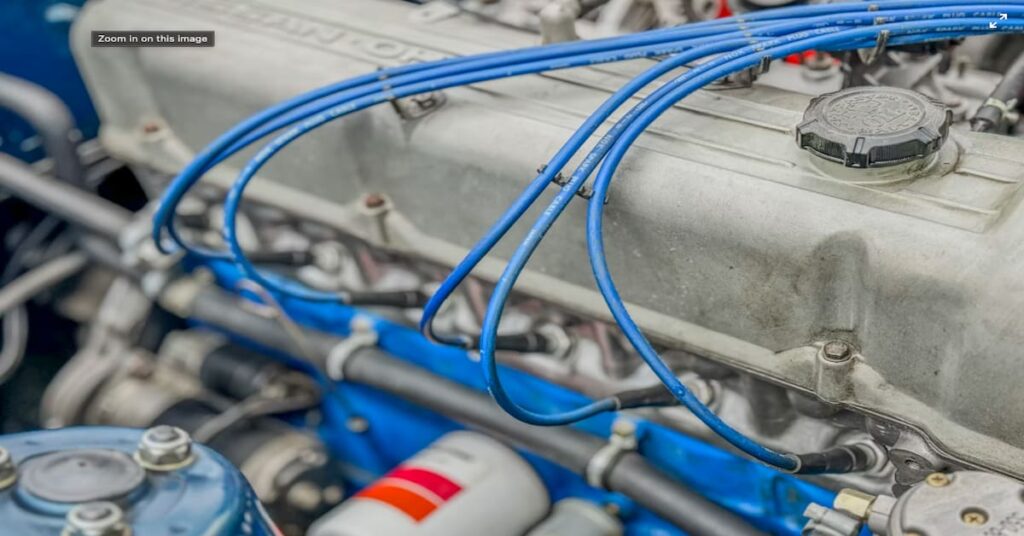
Custom Silicone for Automotive Chemical Resistance: Selection Guide
Modern vehicles expose silicone components to aggressive fluids, including fuels, oils, coolants and cleaning agents, that can degrade standard elastomers.
Modern vehicles expose silicone components to aggressive fluids, including fuels, oils, coolants and cleaning agents, that can degrade standard elastomers.
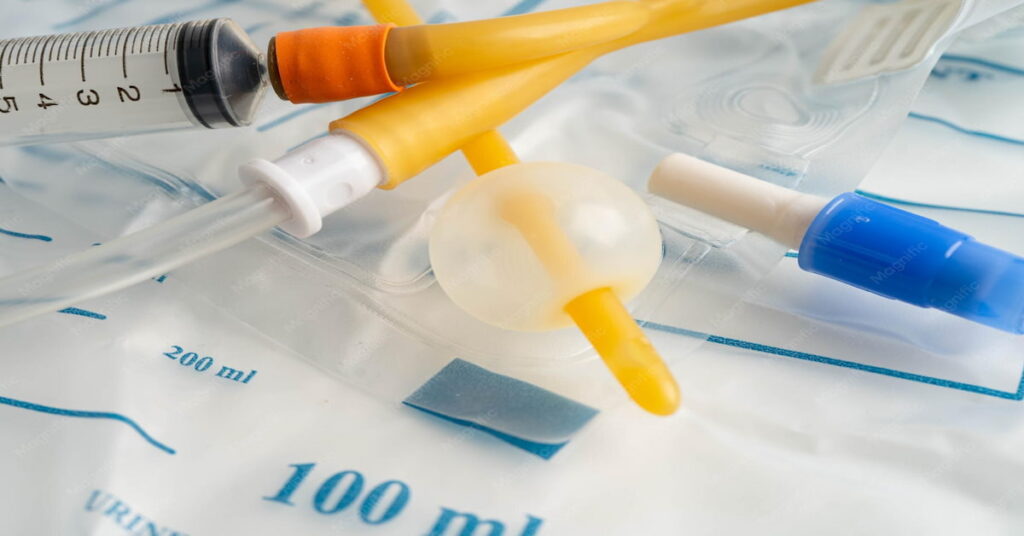
Medical device manufacturers face rigorous regulatory requirements when selecting silicone elastomers. FDA testing for medical silicone encompasses biocompatibility, extractables, and

Aerospace applications require materials that can remain reliable under some of the harshest operating conditions in manufacturing. Components may experience
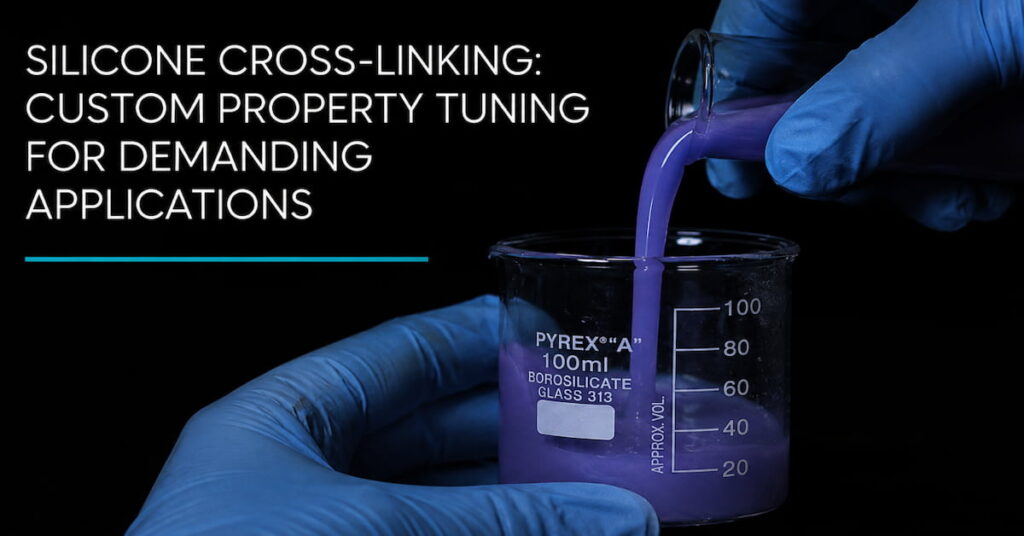
Silicone elastomers gain their flexibility, temperature resistance and chemical inertness through one essential chemical process: cross-linking. Without cross-linking, polydimethylsiloxane (PDMS)
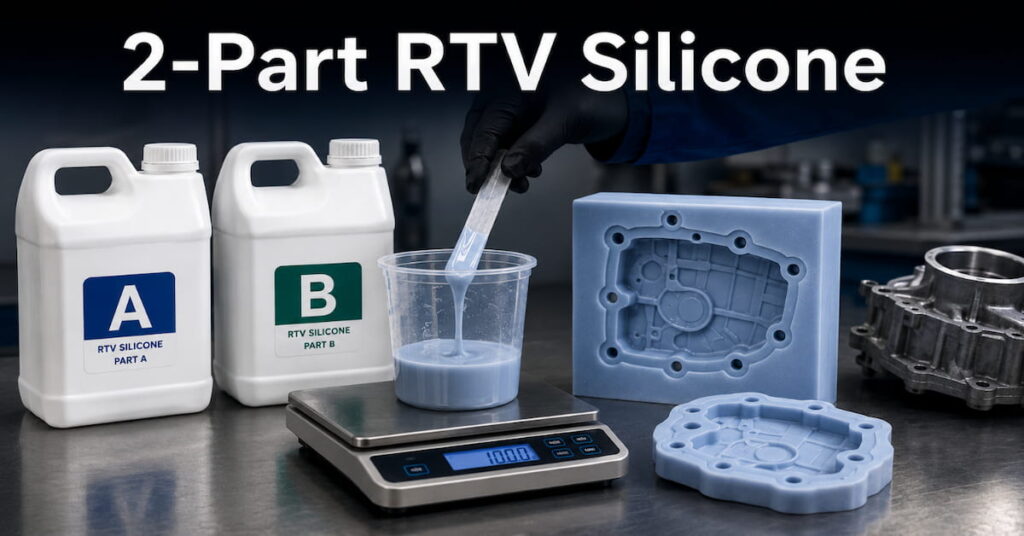
Two-part RTV silicone is a widely used material for prototyping, mould making, vacuum casting and electronics encapsulation. It is commonly
Room Temperature Vulcanizing (RTV) silicone represents one of the most versatile and widely used elastomeric materials in modern manufacturing. Unlike