
FLUOROSILICONE FOR AUTOMOTIVE
INDUSTRY: ADVANCED SEALING SOLUTIONS
FOR FUEL SYSTEMS AND EMISSION CONTROL

Modern automotive engineering demands sealing materials that withstand aggressive fuels, extreme temperatures, and stringent emissions regulations. Fluorosilicone rubber (FVMQ) has emerged as a critical material for automotive applications where standard elastomers fail. This specialized polymer combines the low-temperature flexibility of silicone with enhanced fuel resistance, making it indispensable for fuel system seals, turbocharger components, and emission control systems.
Automotive engineers specify fluorosilicone when applications require resistance to gasoline, diesel, ethanol blends, and petroleum-based oils while maintaining sealing integrity across temperature extremes from -60°C to +260°C. Understanding where and why fluorosilicone outperforms alternatives helps component designers make informed material selections that ensure long-term reliability and regulatory compliance.

WHAT MAKES FLUOROSILICONE DIFFERENT
FROM STANDARD SILICONE
CHEMICAL STRUCTURE AND FUEL
RESISTANCE MECHANISM
Fluorosilicone rubber differs from standard silicone (VMQ) through the incorporation of trifluoropropyl groups (-CH2CH2CF3) covalently bonded to the polymer backbone. This molecular modification dramatically alters the material’s chemical compatibility profile without sacrificing the inherent flexibility and thermal stability of silicone-based elastomers.
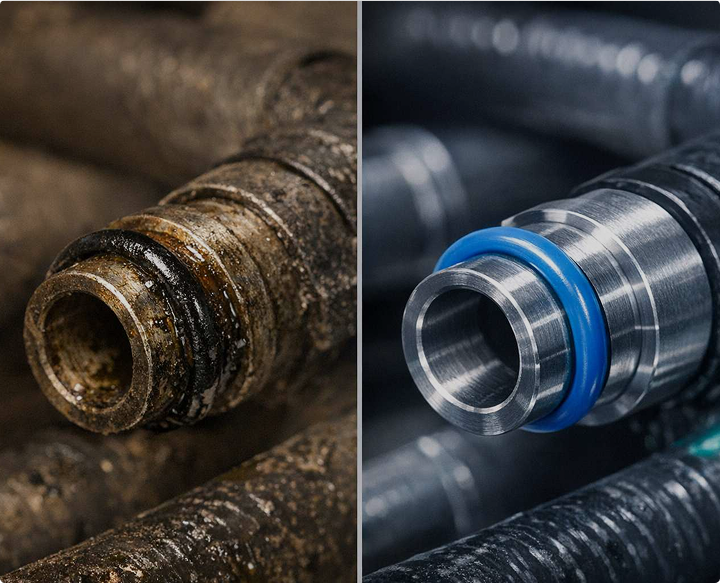
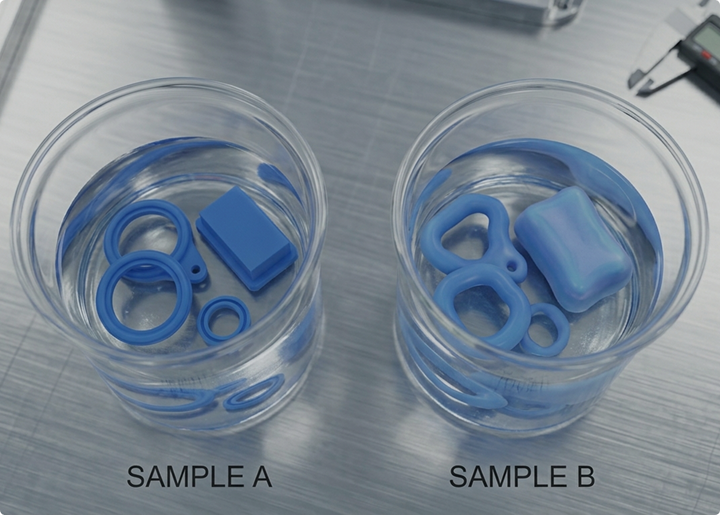
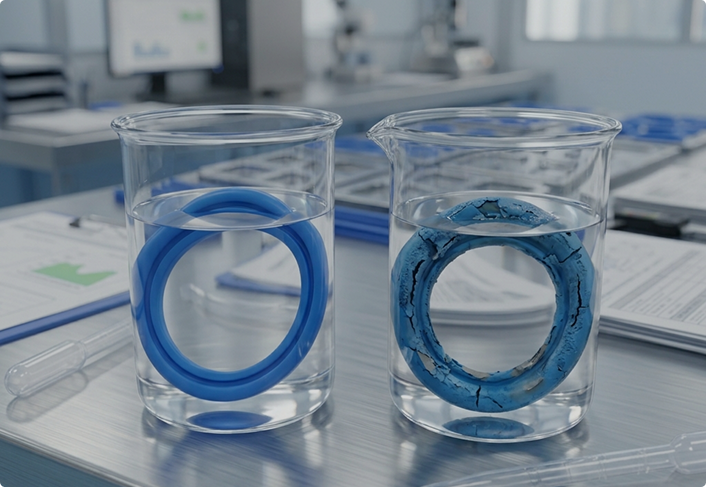
Standard silicone rubber swells significantly when exposed to hydrocarbon fuels, oils, and aromatic solvents. The non-polar nature of these fluids attacks the dimethyl silicone structure, causing dimensional instability and seal failure. Fluorosilicone’s trifluoropropyl side groups create a fluorocarbon-like barrier that resists hydrocarbon penetration, reducing volume swell to less than 20% even after prolonged fuel immersion.
Laboratory testing demonstrates this difference clearly. When samples of standard silicone and fluorosilicone are immersed in jet fuel under identical conditions, the standard silicone absorbs substantially more fluid and exhibits significant dimensional changes. Fluorosilicone maintains its original dimensions and mechanical properties, ensuring consistent sealing force over time.

TEMPERATURE PERFORMANCE ACROSS AUTOMOTIVE OPERATING RANGES
Fluorosilicone maintains operational flexibility across an exceptionally wide temperature range. Standard formulations perform reliably from -65°C (-85°F) to +200°C (+392°F), with specialized compounds extending the upper limit to +260°C (+500°F). This range encompasses virtually all automotive operating conditions, from cold-start scenarios in arctic environments to under-hood temperatures near turbochargers and exhaust components.
The material’s glass transition temperature (Tg) remains below -60°C, ensuring that seals retain elasticity during cold starts when other elastomers become rigid and lose sealing force. This characteristic proves particularly valuable for fuel system seals that must maintain integrity immediately upon engine startup in sub-zero conditions.
CRITICAL AUTOMOTIVE APPLICATIONS FOR
FLUOROSILICONE SEALS
FUEL SYSTEM SEALING:
INJECTORS, CONNECTORS, AND TANK COMPONENTS
Fuel system applications represent the primary use case for fluorosilicone in automotive engineering. Modern fuel systems present multiple challenges: exposure to gasoline, diesel, biodiesel, and ethanol blends; temperature cycling between ambient and under-hood conditions; and the need for long-term reliability without maintenance.
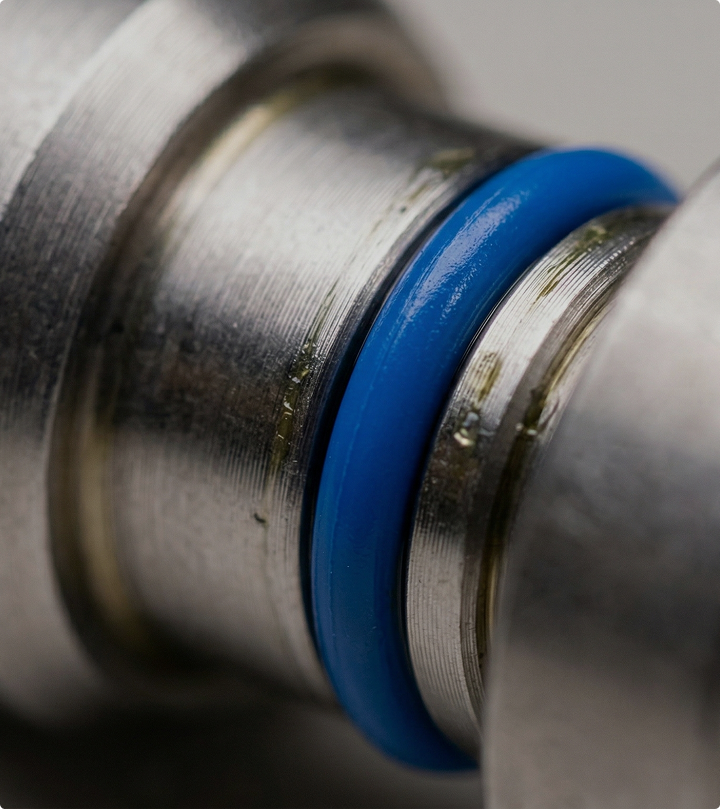
Fuel Injector Seals: Direct injection systems operate at pressures exceeding 200 bar, requiring seals that resist both mechanical stress and chemical attack. Fluorosilicone O-rings and gaskets maintain sealing integrity despite constant exposure to pressurized fuel and thermal cycling. The material’s low compression set ensures that seals recover after periods of compression, preventing leakage paths from developing over time.
Fuel Tank Seals: Fuel tank access covers, level sensor seals, and pump mounting gaskets benefit from fluorosilicone’s fuel resistance. These components must seal reliably for the vehicle’s entire service life while exposed to constant fuel contact and seasonal temperature variations. The material’s resistance to both aromatic and aliphatic hydrocarbons ensures compatibility with reformulated gasolines and alternative fuels.
Quick-Connect Fittings: Fuel line quick-connect seals rely on fluorosilicone to prevent leakage at connection points. These seals experience repeated assembly and disassembly during service, requiring materials that resist compression set while maintaining chemical compatibility with modern fuel formulations including E10 and E85 ethanol blends.
TURBOCHARGER AND FORCED
INDUCTION SEALING
Turbocharger systems present some of the most demanding sealing challenges in automotive applications. Components must withstand high temperatures, pressure differentials, and exposure to hot oil and fuel vapors simultaneously.
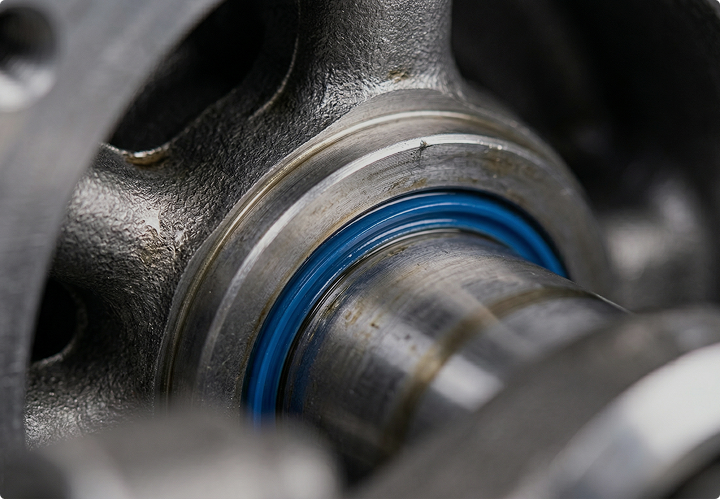
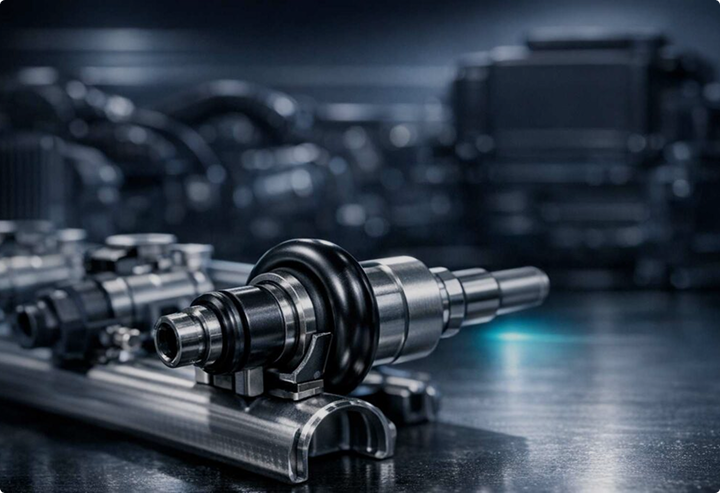
Turbocharger Oil Seals: Shaft seals preventing oil leakage from the turbocharger center housing into the compressor or turbine sections require materials that resist hot engine oil while maintaining flexibility at elevated temperatures. Fluorosilicone performs reliably in continuous operation up to +200°C, with intermittent exposure tolerance to +260°C.
Intercooler and Boost System Seals: Charge air systems operate under pressure and temperature cycling conditions. Fluorosilicone gaskets and O-rings seal boost hoses, intercooler end tanks, and throttle body connections, resisting both the mechanical stress of pressurization and chemical exposure from oil vapors and condensation.
EMISSION CONTROL SYSTEM
COMPONENTS
Stringent emissions regulations worldwide have increased the complexity and operating demands of automotive emission control systems. Fluorosilicone seals play critical roles in these systems where failure would result in regulatory non-compliance.
EGR System Seals: Exhaust Gas Recirculation (EGR) systems redirect a portion of exhaust gases back into the intake manifold to reduce NOx emissions. EGR valves, coolers, and tubing connections require seals that resist hot exhaust gases, condensate, and the acidic byproducts of combustion. Fluorosilicone diaphragms within EGR valves must flex repeatedly while exposed to corrosive exhaust components.
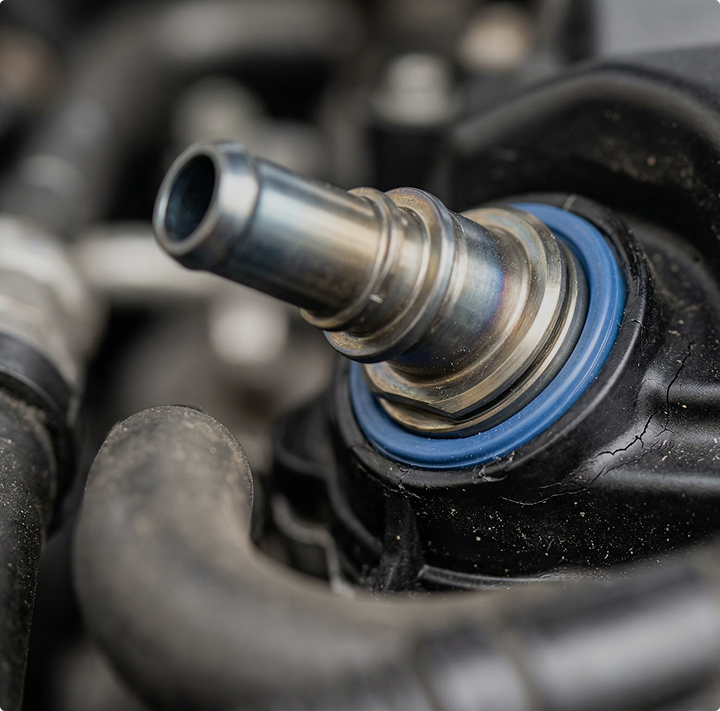
EVAP System Seals: Evaporative emission control (EVAP) systems prevent fuel vapors from escaping into the atmosphere. Seals within charcoal canisters, purge valves, and fuel tank vapor lines must resist fuel vapors and liquid fuel contact while maintaining low permeability. Fluorosilicone’s resistance to hydrocarbon permeation makes it suitable for these critical emission control applications.
PCV System Components: Positive Crankcase Ventilation (PCV) systems manage blow-by gases, routing them back into the intake system. Seals within PCV valves and breather assemblies resist hot oil vapors and combustion byproducts while maintaining flexibility across the engine’s operating temperature range.
MATERIAL COMPARISON:
FLUOROSILICONE VS. ALTERNATIVE AUTOMOTIVE ELASTOMERS
FLUOROSILICONE VS. NBR VS. FKM PERFORMANCE MATRIX
Selecting the optimal elastomer for automotive sealing requires understanding the trade-offs between competing materials. The following comparison evaluates fluorosilicone against Nitrile (NBR) and Fluoroelastomer (FKM/Viton) across key performance parameters.
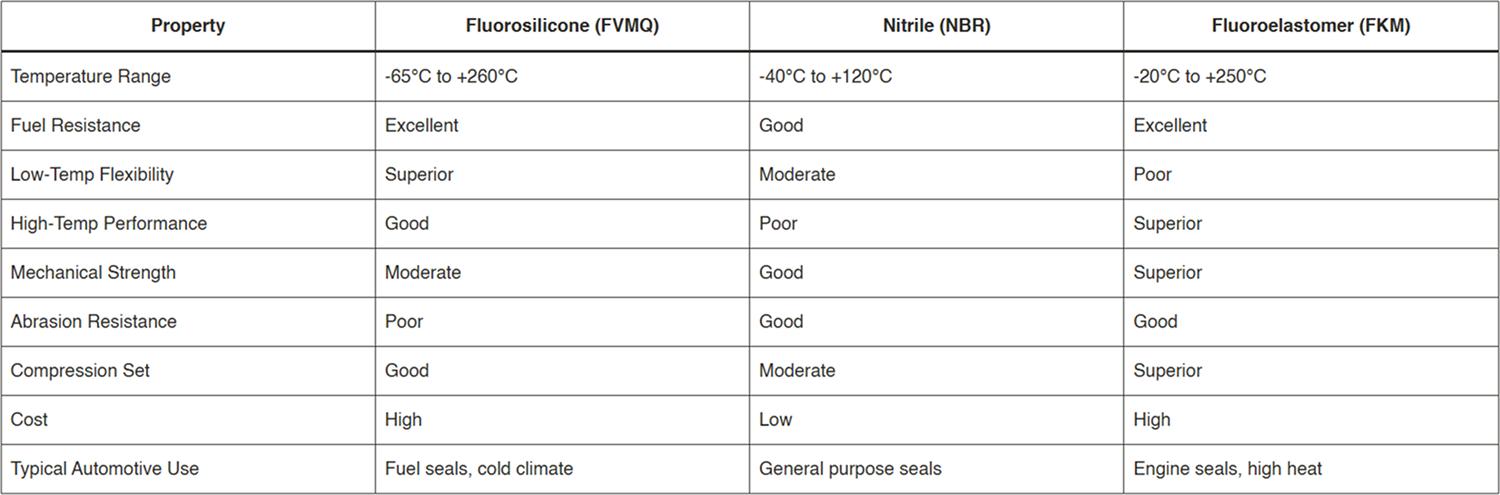
TEMPERATURE AND CHEMICAL RESISTANCE COMPARISON
Temperature capability and chemical compatibility often drive material selection for automotive seals. The following detailed comparison highlights where each material excels:

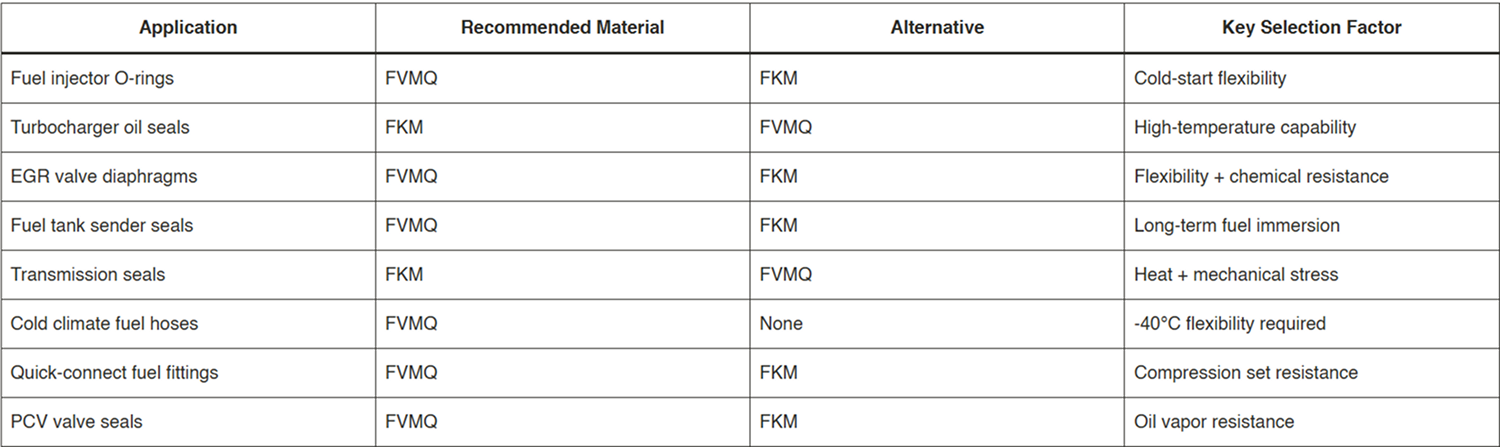
APPLICATION SUITABILITY MATRIX FOR AUTOMOTIVE ENGINEERS
The following matrix guides material selection based on specific automotive sealing requirements:
TECHNICAL
SPECIFICATIONS AND
INDUSTRY
STANDARDS
AMS AND MIL-SPEC COMPLIANCE
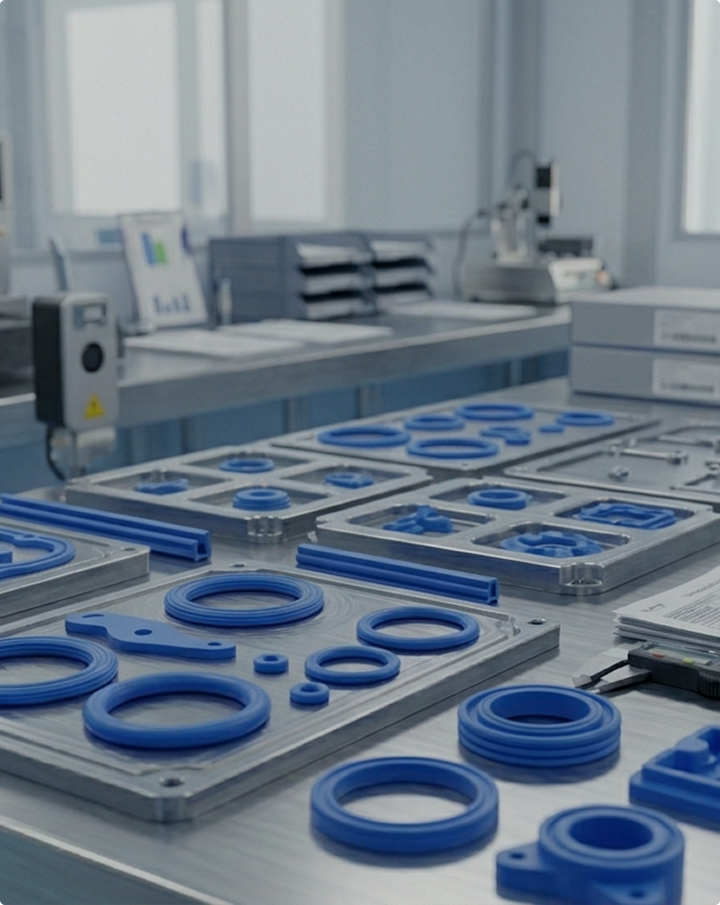
Fluorosilicone materials for aerospace and high-performance automotive applications must meet stringent material specifications. The primary specification for fluorosilicone rubber is AMS-R-83485 (formerly MIL-R-83485), which defines requirements for fuel-resistant silicone rubber.
Key requirements under AMS-R-83485 include:
- Minimum tensile strength: 7.0 MPa (1,015 psi)
- Minimum elongation at break: 150%
- Compression set limits after 22 hours at 177°C
- Volume swell requirements after fuel immersion testing
Automotive applications may also reference ASTM D2000 classification for rubber materials in automotive applications. Fluorosilicone typically falls under the “FK” classification within this standard, indicating fuel-resistant silicone with specific temperature and swell characteristics.
FUEL IMMERSION TESTING AND
VOLUME SWELL DATA
Standardized testing validates fluorosilicone’s fuel resistance performance. ASTM D471 immersion testing measures volume change after exposure to reference fuels at specified temperatures and durations.
Typical fluorosilicone performance in ASTM D471 testing:
- Reference Fuel B (toluene/isooctane): <20% volume swell after 70 hours at 23°C
- Reference Fuel C (isooctane/toluene): <25% volume swell after 70 hours at 23°C
- ASTM Fuel C: <30% volume swell after 168 hours at 40°C
These results compare favorably to standard silicone, which may exhibit volume increases exceeding 100% under identical test conditions.
DUROMETER AND MECHANICAL PROPERTY RANGES
Fluorosilicone compounds are available across a range of hardness values to suit different sealing applications:

DESIGN CONSIDERATIONS FOR
FLUOROSILICONE AUTOMOTIVE SEALS
STATIC VS DYNAMIC SEALING
APPLICATIONS
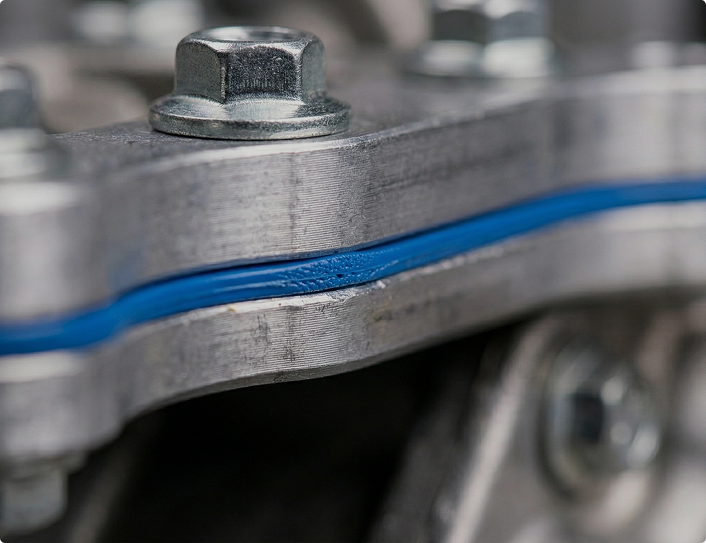
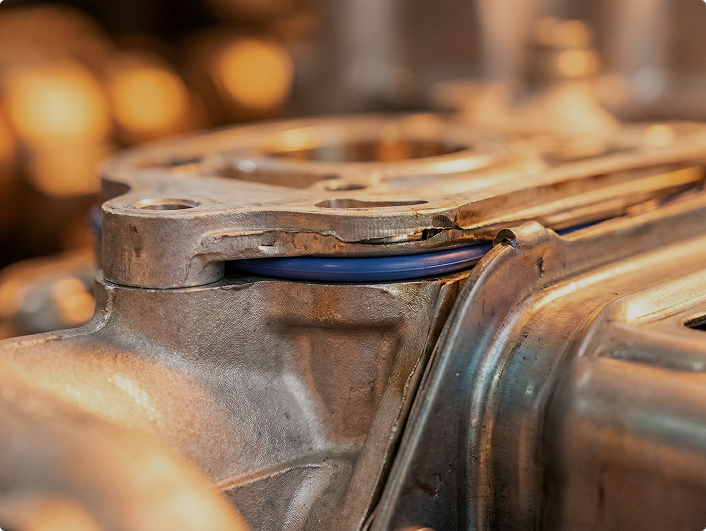
Fluorosilicone excels in static sealing applications where the seal remains stationary relative to the mating surface. Fuel tank seals, gasket applications, and O-rings in non-moving joints represent ideal use cases. The material’s excellent compression set resistance ensures that static seals maintain their sealing force over extended periods.
Dynamic sealing applications require careful evaluation. Fluorosilicone’s poor abrasion resistance and higher coefficient of friction compared to FKM or NBR limit its suitability for rotating shaft seals or reciprocating applications. When used in dynamic applications, consider:
- Reduced pressure ratings compared to FKM
- Need for lubrication to minimize wear
- More frequent inspection intervals
- Backup rings to prevent extrusion
GLAND DESIGN AND COMPRESSION
SET
Proper gland design maximizes fluorosilicone seal performance. Compression set—the permanent deformation remaining after a seal is compressed and released—represents a key consideration for long-term sealing reliability.
Recommended design practices:
- Maintain 15-25% compression for O-ring applications
- Account for thermal expansion in high-temperature applications
- Design grooves with adequate volume to prevent overfill
- Consider compression set data at maximum operating temperature
- Use backup rings for pressures exceeding 150 psi
These results compare favorably to standard silicone, which may exhibit volume increases exceeding 100% under identical test conditions.
CHEMICAL COMPATIBILITY
LIMITATIONS
While fluorosilicone offers excellent resistance to hydrocarbon fuels and oils, engineers must recognize its limitations. The material performs poorly when exposed to:
- Ketones and acetone: Chemical attack causes rapid degradation
- Amines and aldehydes: Structural breakdown occurs with prolonged exposure
- Phosphate esters: Hydraulic fluids containing phosphate esters are incompatible
- Concentrated acids and bases: Strong acids (HCl, H2SO4) and concentrated alkalis cause rapid deterioration
- Steam and hot water: Prolonged exposure to steam or water above 100°C causes reversion and property loss
CONCLUSION
Fluorosilicone rubber represents a specialized solution for automotive sealing challenges that demand both fuel resistance and low-temperature flexibility. Its unique molecular structure—combining silicone’s temperature performance with fluorocarbon chemical resistance—makes it indispensable for fuel system seals, turbocharger components, and emission control systems.
Automotive engineers should specify fluorosilicone when applications require:
- Reliable sealing in gasoline, diesel, and ethanol-blended fuels
- Operational flexibility below -40°C
- Long-term compression set resistance in static applications
- Compliance with AMS-R-83485 and automotive material specifications
While the material’s higher cost and mechanical limitations restrict it to specialized applications, fluorosilicone delivers unmatched performance in its target use cases. Understanding when and why to specify FVMQ—rather than FKM, NBR, or standard silicone—enables engineers to design sealing systems that meet the demanding requirements of modern automotive applications.
For automotive engineers and sourcing teams facing increasingly demanding fuel, thermal, and emissions requirements, fluorosilicone remains a highly effective material choice for specialized sealing applications. At Go Flexion, we see fluorosilicone not simply as an alternative elastomer, but as a performance-driven solution for modern vehicle systems that require reliable sealing in aggressive fuels, strong low-temperature flexibility, and long-term dimensional stability. As a trusted Flourosilicone Manufacturer, Go Flexion helps manufacturers select and develop sealing components that perform consistently in fuel injectors, tank systems, turbocharger assemblies, and emission control applications where conventional materials may not deliver the same balance of chemical resistance and temperature performance.
As vehicle platforms continue to evolve, material selection must support not only immediate performance but also long-term durability, regulatory compliance, and production efficiency. Go Flexion works closely with engineering and procurement teams to provide fluorosilicone solutions tailored to application-specific demands, ensuring each seal is aligned with the operational realities of today’s automotive systems. By combining technical material knowledge with manufacturing expertise, we help brands build more dependable fuel and emission control systems while reducing risk across the product lifecycle.
HOW WE HELP YOU DECIDE
We assess your operating fluids, temperature profile, sealing dynamics, and cost targets, then recommend fluorosilicone or alternatives where appropriate. If abrasion, dynamic motion, or strict cost caps are dominant constraints, we document why another elastomer may be better and outline the tradeoffs.
Request a Proposal or Book a Discovery Call to get a tailored materials recommendation.